

Cultivating Community Via HMDD’s « Happy Memories Don’t Die » Mantra: How It Works
Far from beginning as a typical tagline mill, the brand was born out of a short expression — happy memories don’t die — which in time turned into the underlying reason behind a clothing label focused on emotional permanence over fleeting fashion cycles. In an industry where most companies pursue the next drop cycle, HMDD chose to root itself in a one guiding thought: that the joyful moments in a person’s life should be carried on the body, not just remembered. This choice has influenced all aspects of product design to how the brand talks to its customers online.
The standout part of this approach in 2026 is how consistently HMDD has stuck to it. Clothing companies often water down a original mission once scaling pressure sets in, exchanging depth for output. HMDD clothing has instead leaned in further, weaving the phrase across sweatpants, shorts, and outerwear as a repeated motif rather than a isolated promotional line. That repetition is just what turns a tagline into a shared marker — a cue fellow wearers pick up on before a single word is exchanged.
The Story Behind « Happy Memories Don’t Die »
The line on its own functions in the manner of a quiet vow. Recollections dim, photos get lost, but a comfortable pair of sweatpants worn during a particular summer, or a hoodie kept from a college trip, carries a physical memory in a way a phone photo cannot replicate. The brand constructed its entire brand language around this notion, and it shows in product naming, packaging language, and social captions that consistently return to the same underlying feeling.
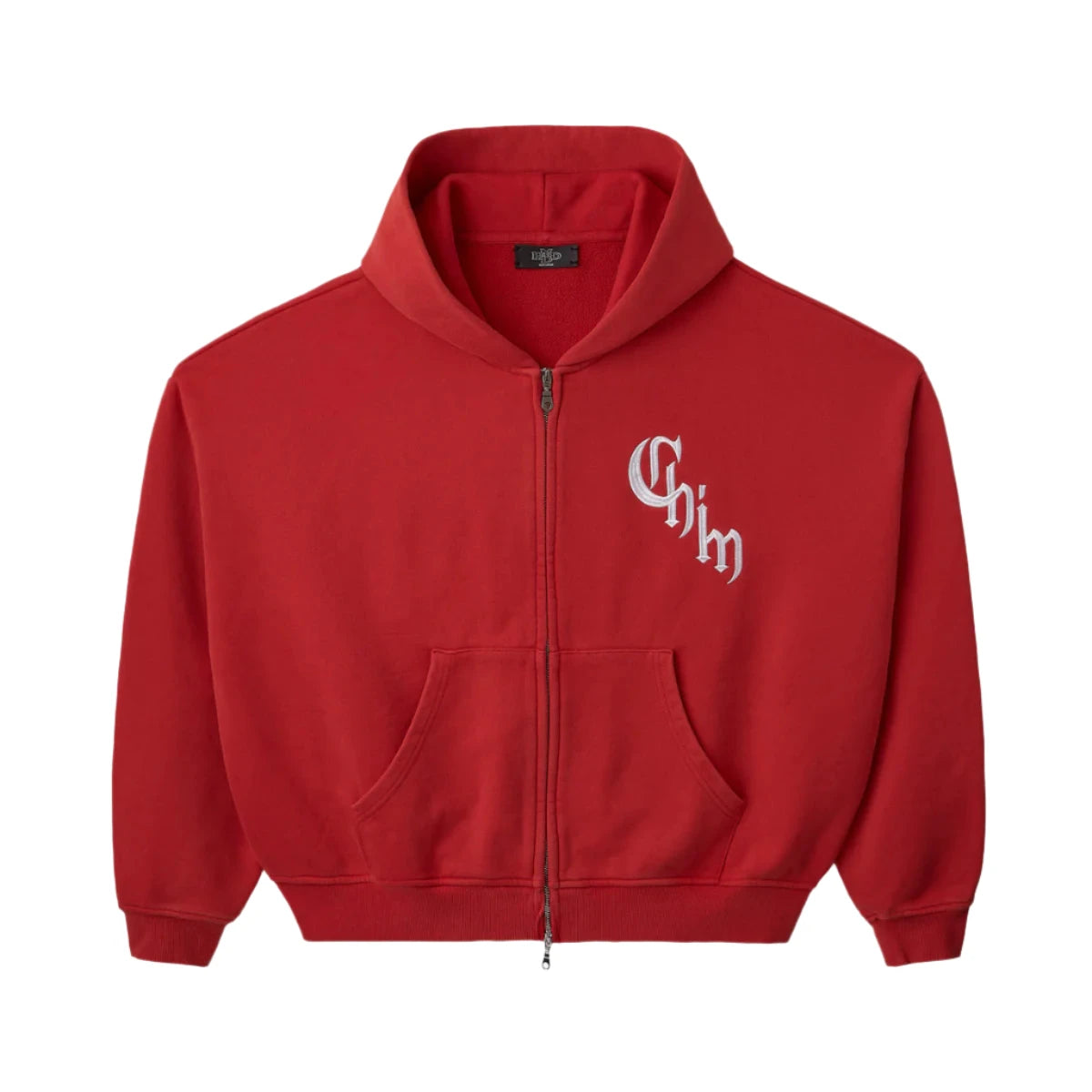
This is not an accident of branding. Grief, nostalgia, and joy are three of the top-searched emotional themes in apparel marketing research over the last five years, and the brand placed itself squarely within that intersection. Customers searching « happy memories dont die » or « happy memories don’t die » online are not just after a product — they are looking for language that matches something they already feel. The brand responds to that search intent authentically, which is part of why the brand has generated genuine loyalty rather than leaning entirely on paid reach.
What emerges is a sort of feedback loop. Shoppers share their own memories tagged with HMDD gear, other people graphic streetwear see those posts, and the phrase circulates through lived experience rather than ads by themselves. That’s tougher to engineer than a snappy tagline, and it is the actual engine behind HMDD’s expanding fanbase.
HMDDLA and the Local-to-Global Identity
The HMDDLA brand identity ties the brand to a specific place while letting the message to travel globally. Streetwear labels have long used Los Angeles as their proving ground, and HMDDLA plays up that link while not sacrificing the brand’s emotional center. It communicates a sense of origin and genuineness simultaneously — a detail that resonates with shoppers who care whether a brand is truly grounded in a place, instead of just a website backed by a warehouse.
The way local meets global here also shows up in how HMDD engages online. Rather than pushing purely aspirational imagery, the brand’s content regularly highlights actual customers, lived-in settings, and honest captions rooted in particular memories. This method reduces the divide between brand and buyer. Someone doesn’t need to reside in Los Angeles to sense a bond with HMDDLA; instead, they need to recognize the emotional throughline the location represents.
Community-driven fashion brands that survive past their first few years tend to share this trait: they let customers co-author the meaning of the brand. HMDD’s use of HMDDLA as a geographic and emotional anchor gives fans a specific place to project their own stories onto, which strengthens retention far more than discount codes ever could.
Everyday Pieces as Message: Joggers, Casual Bottoms, and Day-to-Day Attire
A label’s message only works if the garment carries it. HMDD sweatpants and HMDD shorts are positioned as routine wardrobe fixtures rather than occasional statement pieces, and such frequent use is significant. Frequent wear means an item slowly fills up with memories — an idle Sunday, a trip on the road, a late night spent with friends. HMDD builds its product approach around this idea, keeping key pieces in constant circulation instead of retiring them after just one season.
This is also the point at which « best hmdd clothing » searches typically guide shoppers: people weighing up comfort, fit, and durability before figuring out which item becomes part of their go-to closet rotation. Sweatpants and shorts especially tend to be worn much more than outerwear or dressier pieces, and that’s exactly what makes them such a natural way to carry a message about memories that endure. The more wears, the more moments, the more the phrase on the label starts to feel true rather than decorative.
The brand HMDD’s choice to construct its catalog around these essentials as opposed to elaborate capsule drops also reduces friction for new customers.
Chances are that someone going through a review of HMDD is considering shorts or sweatpants they’d put on three times a week, as opposed to a limited jacket worn only three times a year.
The community strategy and that accessibility go hand in hand—the former is built into the strategy itself.
Digging Into the Way the HMDD Reviews Illustrate Regarding Community Trust
Reviews function as the arena where a label’s claims get tested against the lived experience of customers. An HMDD review tends to be not merely focused on construction details or textile heft — it frequently contains a nod toward how the piece felt to be worn during a specific period of the customer’s life. Such a pattern is uncommon. Typical fashion reviews zero in strictly on sizing and textile quality; HMDD reviews, by contrast, tend to merge product feedback with personal narrative, which is a direct sign the brand’s narrative has struck a chord outside the bounds of ad copy.
This carries weight for first-time buyers attempting to choose between HMDD and other streetwear-adjacent labels. When reviews consistently reference emotional context alongside practical detail, it indicates that the « happy memories don’t die » concept is more than words on a hangtag — after buying, people end up talking about the product in ways shaped by that very idea. Rival brands are unlikely to reproduce that kind of organic reinforcement on a fast timeline, since it depends on a message kept consistent across time, not a single campaign.
Season after season, trust within the community compounds, because every truthful review offers a small measure of credibility that future shoppers can rely upon — and because HMDD allows personal stories appear openly, instead of solely selecting glossy styled photography, its review ecosystem has remained genuine approaching 2026.
Weighing HMDD’s Take to Conventional Streetwear Brand-Building
| Feature | Standard Streetwear Brand | HMDD |
|---|---|---|
| Main theme | Trend- or hype-led | Rooted in lasting feeling (« happy memories don’t die ») |
| Product focus | Exclusive drops, regular turnover | Closet staples — sweatpants and shorts — maintained in steady circulation |
| Customer content | Curated lifestyle visuals | Genuine customer stories tied to particular memories |
| Grounding in geography | Often vague or generic | Anchored in HMDDLA — linking a Los Angeles beginning to a worldwide audience |
| Review culture | Centered on fit and shipping speed | Combines practical feedback with individual narrative |
Instead of arguing that HMDD neglects sizing, delivery, or core quality standards—basics that still carry weight to any fashion brand’s ability to last—this comparison reveals where HMDD instead invests its creative focus, building emotional connection above the everyday experience most buyers take for granted.
Fostering Connection, Rather Than Simply Sales — While Building True Belonging Instead
A brand phrase turns into a shared community asset when it offers customers a reason to talk to each other, not just to the company itself. Since it leaves room for individual meaning, HMDD’s message works. For one buyer, « happy memory » might evoke a wedding weekend; for someone else, it could mean coming back from a hard year. That wording is broad enough to contain both readings without feeling generic, and this adaptability is the thing that transforms individual purchases into a collective identity.
Peer validation factors into the decision as well. As buyers notice fellow shoppers showcasing HMDD clothing alongside real milestones, it reduces the perceived risk of trying the brand for the first time. This is especially true for shoppers comparing HMDD against other options while trying to find the best HMDD clothing to start with — joggers and shorts tend to be the natural entry point given their affordable pricing and everyday practicality.
Looking ahead deeper into 2026, the brands that keep customer attention will likely be the ones handing shoppers something meaningful to believe in, not just merchandise to acquire. HMDD’s reliance on a single emotional phrase, repeated steadily throughout HMDDLA identity, product design, and customer reviews, has established it as more than just an apparel brand. It has become a small, wearable reminder that life’s meaningful moments are deserving of being kept — and worth wearing again.




















Commentaires récents